Discovering the Advantages of Aluminum Castings in Contemporary Manufacturing
Aluminum castings are gaining growing recognition for their role in advancing modern manufacturing. Their reduced weight plays a significant role in enhancing fuel efficiency across multiple industries, especially automotive and aerospace. The ability to resist corrosion improves durability, and the versatility in design enables the creation of elaborate shapes. With industries pursuing efficient and eco-friendly alternatives, aluminum castings stand out as a critical contributor. Recognizing their broad potential prompts essential discussions about the evolution of manufacturing and innovation. What does the future hold for this adaptable and multifaceted material?
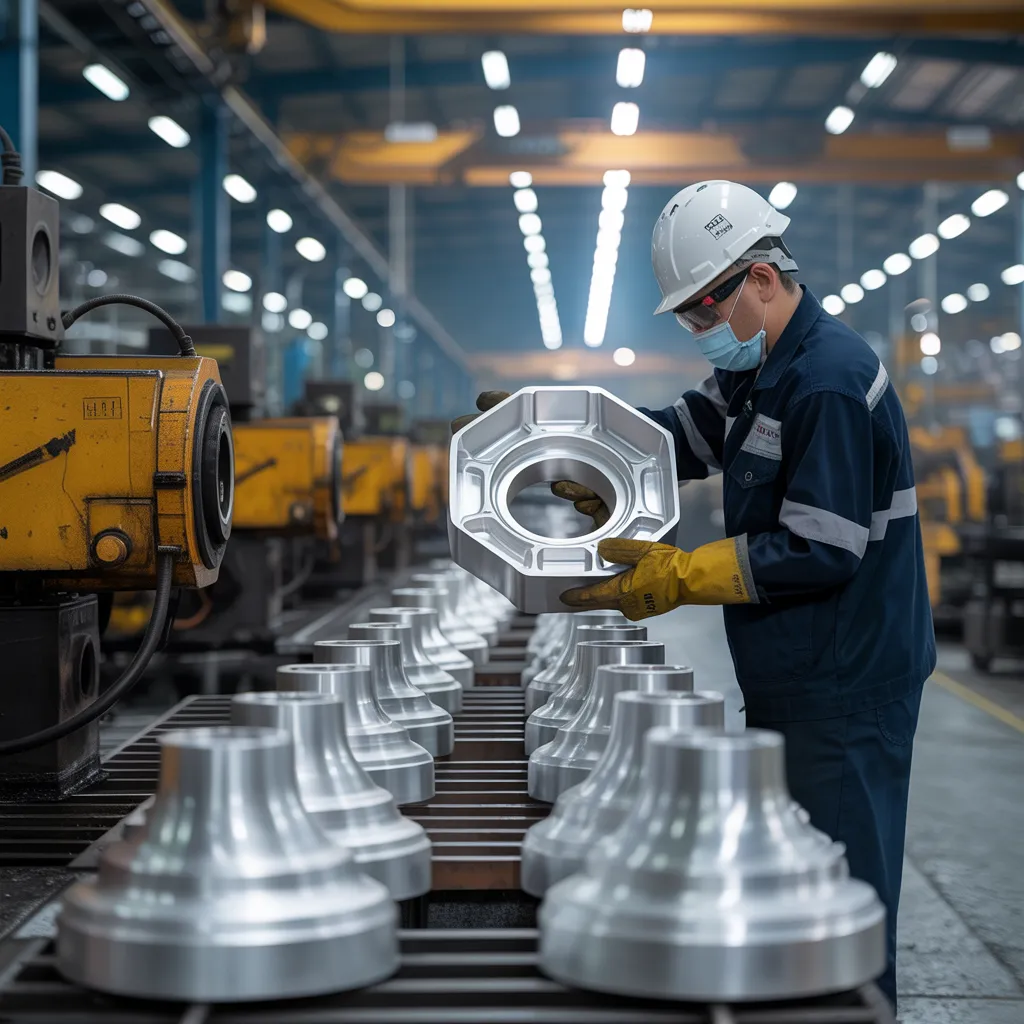
The Notable Benefits of Aluminum Castings in the Manufacturing Industry
Even though numerous materials are employed in fabrication, aluminum castings stand out due to their unique advantages. Their lightweight nature makes them perfect for situations where minimizing weight is essential, such as in the automotive and aerospace fields. The outstanding anti-corrosion properties of aluminum also enhances the longevity of products, minimizing maintenance requirements throughout their service life.
Furthermore, aluminum castings can be crafted with intricate designs and complex geometries, providing greater design flexibility. This versatility empowers manufacturers to produce components that satisfy precise performance demands without diminishing material strength.
Furthermore, aluminum possesses outstanding thermal and electrical conductivity, making it suitable for various applications in electronics. The recyclable nature of aluminum further strengthens its attractiveness, aligning with green manufacturing approaches. In conclusion, the combination of these benefits positions aluminum castings the top selection for current industrial processes, driving innovation while ensuring operational efficiency and long-term durability.
Enhancing Production Efficiency With Aluminum Castings
The merits of aluminum castings reach further than their natural characteristics; they also play a significant role in boosting operational productivity. Their light composition minimizes energy expenditure across manufacturing procedures, allowing for faster machining and assembly. This hastens production cycles, empowering manufacturers to address market needs with greater agility.
Furthermore, aluminum castings deliver exceptional dimensional accuracy, minimizing the necessity for substantial post-processing. This accuracy not only minimizes waste but also lowers material costs, promoting overall efficiency. The versatility of aluminum enables complex designs that can be fabricated in fewer steps, simplifying workflows.
Additionally, the rapid rate of cooling of aluminum castings facilitate reduced cycle times, further enhancing production output. By adopting aluminum casting solutions, manufacturers can realize a harmony between quality and efficiency, which leads to enhanced competitive standing in the market. As the manufacturing sector advances, the significance of aluminum casting technology in improving production processes stays indispensable.
Uses of Aluminum Castings Throughout Various Industries
Aluminum castings serve a vital function in numerous industries, particularly in propelling automotive developments and boosting aerospace component effectiveness. Their light yet sturdy characteristics significantly support improved performance and fuel efficiency. As sectors continue to advance, the utilization of aluminum castings is growing, highlighting their flexibility and value.
Advancements in the Automotive Sector
Reshaping vehicle design, aluminum castings have emerged as a cornerstone in the automotive industry, offering a combination of strength, lightweight properties, and versatility. This material significantly enhances fuel efficiency by decreasing overall vehicle weight, which is essential for meeting rigorous emissions standards. Innovations in casting techniques, such as die casting and gravity casting, allow manufacturers to create intricate shapes that enhance performance and aesthetic appeal. Additionally, aluminum's corrosion resistance improves durability, ensuring extended vehicle longevity. Leading automotive brands are integrating more aluminum castings in engine blocks, transmission cases, and structural components, demonstrating their commitment to cutting-edge production methods. As the industry progresses, aluminum castings continue to serve a critical function in driving innovations that enhance safety, performance, and sustainability.
Efficiency in Aerospace Components
In recent years, a major movement toward aluminum castings has revolutionized aerospace component performance. The lightweight nature of aluminum enables reduced fuel consumption and improved performance in the design of aircraft. By employing advanced casting techniques, aerospace manufacturers can produce intricate geometric forms that improve both aerodynamics and structural strength. These castings also exhibit excellent corrosion resistance, increasing the longevity of components and reducing maintenance costs. Moreover, aluminum's heat conductivity aids in effective thermal management, vital to electronic and engine components. The adoption of aluminum castings streamlines not only production processes but also advances industry sustainability goals, as lighter aircraft lead to decreased environmental impact. Overall, aluminum castings present a viable solution for optimizing performance in the aerospace industry.
How Aluminum Castings Support Sustainable Practices
Many manufacturers are beginning to acknowledge the value of aluminum castings to enhance green objectives. The reduced mass of aluminum reference leads to lower energy usage during production and transportation, causing lower overall carbon emissions. Additionally, aluminum has a high recycling rate, with nearly 75% of all aluminum ever produced remaining in active use. This natural recyclability minimizes waste and conserves natural resources, aligning with circular economy principles.
Moreover, the resilience and long-lasting nature of aluminum castings mean that products require less frequent replacement, additionally reducing resource consumption over time. Companies can additionally utilize advanced casting techniques to maximize material efficiency, cutting down on excess material and improving overall performance. With industries placing greater emphasis on sustainability, the integration of aluminum castings proves to be a forward-thinking solution, encouraging green manufacturing practices while satisfying the growing demand for conscientious production techniques. This transition not only supports environmental goals but also reinforces corporate social responsibility programs.
Determining the Cost-Effectiveness of Aluminum Castings
How do aluminum castings compare in cost-effectiveness to other materials? In the domain of modern manufacturing, aluminum castings excel due to their remarkable balance of affordability and performance. While initial material costs may be comparable to steel or plastic, aluminum offers significant advantages regarding weight reduction and corrosion resistance, which can lead to lower shipping and maintenance costs. Moreover, aluminum's outstanding thermal and electrical conductivity makes it a preferred choice in various applications, improving overall performance and efficiency.
When evaluating the financial efficiency, one must consider the lifecycle costs connected to manufacturing processes, including finishing and machining. Aluminum castings usually demand minimal post-processing, thereby enhancing financial savings. Furthermore, the recyclability of aluminum can reduce material waste expenses and promote sustainability. Ultimately, while unique project demands may vary, the overall economic benefits of using aluminum castings commonly exceed those of competing materials in a wide range of manufacturing applications.
Future Innovations in Aluminum Casting Technology
Recent developments in aluminum casting technology stand to significantly reshape manufacturing operations in meaningful ways. Advancements such as three-dimensional printing technologies are empowering fabricators to produce complex geometries that were previously unattainable, reducing material waste and production time. Furthermore, the adoption of machine learning solutions in casting simulations is enhancing quality control by predicting defects before they occur, leading to more reliable products.
In addition, the emergence of new aluminum alloys with improved mechanical properties is broadening the utilization of castings in industries like aerospace and automotive. These alloys not only elevate performance but also contribute to weight reduction, a vital factor in contemporary engineering.
Sustainability is another focal point, with advancements in recycling technologies allowing for the efficient reuse of aluminum scrap, reducing the overall environmental footprint. As these innovations continue to unfold, they are set to enhance efficiency, quality, and sustainability in aluminum casting, defining the next era of manufacturing.
Frequently Asked Questions
In Terms of Weight, How Do Aluminum Castings Measure Up Against Other Materials?
Aluminum castings are considerably lighter than many metals, including steel and iron, making them ideal for applications requiring reduced weight. This quality boosts performance and efficiency in numerous industries, such as automotive and aerospace.
What Is the Standard Lifespan of Aluminum Castings?
The average lifespan of aluminum castings spans 20 to 50 years, depending on environmental conditions and usage. Proper maintenance can extend durability, making aluminum a reliable choice for numerous uses across diverse industries.
Is It Possible to Recycle Aluminum Castings After Use?
Aluminum castings offer exceptional recyclability following their use, retaining their core properties across numerous recycling cycles. This capacity for recycling supports broader sustainability initiatives, reducing environmental impact and promoting resource efficiency in manufacturing processes.
How Do Extreme Temperatures Impact Aluminum Castings?
Significant temperature fluctuations are known to cause thermally induced expansion or contraction in aluminum cast parts, potentially causing warping, cracking, or structural weaknesses. Such conditions can undermine the integrity and performance of components deployed in high-stakes environments.
What Types of Surface Finishes Are Available for Aluminum Castings?
Several surface treatments for aluminum castings include polishing, anodizing, bead blasting, and powder coating. These surface treatments provide corrosion resistance, improve durability, and enhance aesthetic appeal, addressing a wide range of industrial and consumer applications.