Inside the Aluminum Foundry: Metal Casting Processes and Innovations
Within the aluminium foundry, a transformation is underway. Traditional casting methods are being enhanced by modern technologies. Processes like sand mold casting and precision die casting are evolving, while developments such as 3D printing and robotics push the frontiers of performance. Environmental responsibility is growing into a key priority, prompting the industry to adopt environmentally friendly practices. As these shifts emerge, one must reflect on the consequences for the outlook of foundry operations and the sectors it supports.
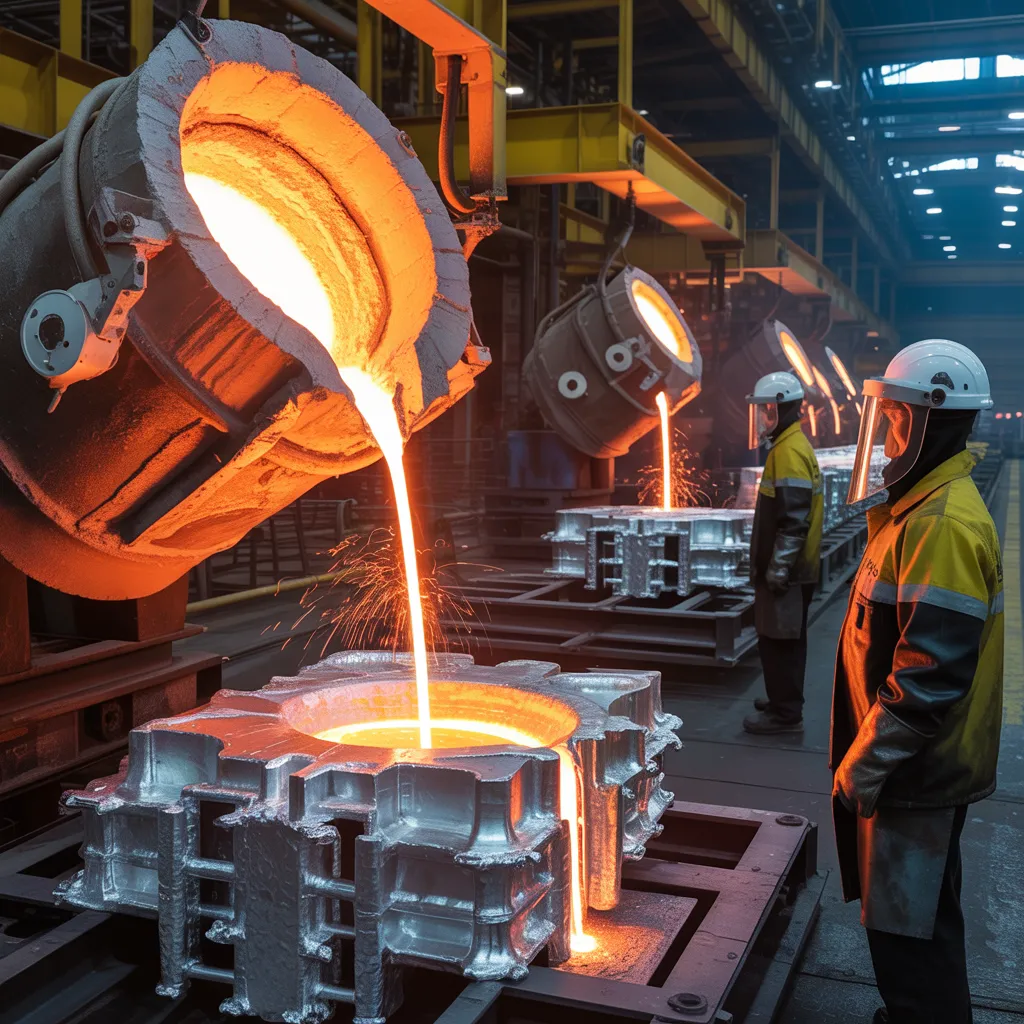
The Essential Elements of Aluminum Casting Processes
Aluminum casting techniques represent a fundamental pillar of contemporary manufacturing, facilitating the creation of durable yet lightweight parts. These processes involve liquefying aluminum and casting it into molds to produce specific shapes and configurations. The flexibility of aluminum supports numerous applications spanning various industries, including aerospace, automotive, and consumer goods.
The primary techniques of aluminium casting encompass sand casting, die casting, and investment casting, each presenting specific strengths. Sand casting makes use of a combination of sand and binding agents to create molds, while die casting uses metallic molds for large-scale production and accuracy. Investment casting, on the other hand, delivers superior surface finishes and complex designs.
Notwithstanding their variations, every method demands precise temperature regulation and rigorous quality management to guarantee the integrity of the end result. As manufacturers continue to innovate, the effectiveness and efficiency of aluminum casting methods are fundamental to advancing modern engineering solutions.
Core Techniques for Molding and Casting Aluminum
In the domain of aluminum casting, proper molding and pouring approaches are critical for delivering high-quality products. Sand molding techniques provide flexibility and affordability, while die casting methods guarantee exactness and reliability in output. Comprehending these primary techniques is critical for improving the aluminum casting process.
Sand Casting Methods
A variety of sand molding processes are critical to the efficient shaping and pouring of aluminum. These methods largely involve green sand mold making, whereby a combination of sand, clay, and water is used to produce molds that are both flexible and strong. In addition, resin-bonded molds offer improved durability and a superior surface finish, making them appropriate for complex designs. Another technique, lost foam molding, uses a foam model that vaporizes during the aluminum pouring phase, creating accurate shapes with minimal post-processing required. Each technique offers specific advantages, for example, greater cost efficiency or enhanced detail, allowing foundries to determine the ideal technique depending on manufacturing demands and the complexity of the aluminum products being created.
Die Casting Methods
Die casting methods represent an essential part of aluminum manufacturing, offering precision and efficiency in production. This process involves forcing molten aluminum into a metal die under high pressure, enabling complex patterns and precise specifications. Two main methods lead the sector: hot chamber and cold chamber casting methods. Hot chamber die casting is suitable for alloys with low melting points, because it limits oxidation through reduced air exposure. Conversely, cold chamber die casting is ideal for high-temperature alloys, necessitating distinct melting and injection mechanisms. Both methods guarantee rapid production cycles, decreasing inefficiencies and boosting measurement exactness. As manufacturing industries grow more reliant on weight-reduced components, these molding processes persist in developing, adopting sophisticated solutions to overcome current industrial obstacles.
Advancing Technologies in Aluminum Casting
As innovations in materials science keep advancing, aluminum casting is undergoing a significant shift driven by innovative technologies. One notable development is the incorporation of 3D printing, which allows for the quick production of complex molds and cores, significantly cutting lead times and costs. Furthermore, the use of sophisticated simulation tools empowers foundries to improve casting procedures, decreasing defects and boosting material yield.
A further advancing technology involves the adoption of robotic automation, which strengthens exactness and effectiveness in managing materials and performing repetitive tasks. Additionally, the deployment of real-time monitoring systems driven by IoT devices facilitates better quality control by providing immediate feedback on process parameters.
These innovations not only streamline operations but also enhance the overall quality of aluminum castings, setting go now the industry up for future expansion and competitiveness. As these advancements become more widely accepted, they hold the potential to substantially redefine the aluminum casting landscape.
How Aluminum Casting Can Achieve Sustainability
Given that the aluminum casting industry is under increasing pressure to adopt sustainable practices, various solutions are developing to respond to sustainability issues. One prominent strategy centers on the advanced recovery and reuse of aluminum, which significantly lowers energy usage and carbon emissions when measured against raw material processing. By utilizing scrap aluminum, manufacturing plants can cut down on material waste and decrease their ecological footprint.
In addition, a growing number of foundries are investing in sustainable technologies, such as improved insulation and electric furnaces, to decrease energy demands during the melting process. The adoption of closed-circuit water systems also aids in water conservation, an essential resource in foundry operations.
Furthermore, incorporating green processes and materials, such as biodegradable binding agents and reduced-emission coatings, advances a more eco-conscious production cycle. These practices not only comply with sustainability regulations but also satisfy the increasing consumer demand for responsible manufacturing practices, positioning the aluminum casting sector as a responsible leader in sustainable development.
Advancing Efficiency Using Technology in Aluminum Foundries
The integration of technology in aluminum foundries plays an essential role in enhancing operational efficiency. Automated systems simplify operations, while advanced monitoring technologies offer immediate visibility into key production parameters. Moreover, data-driven analytics tools empower foundries to enhance efficiency and minimize waste, propelling progress throughout the industry.
Automated Processes in Metal Casting
How does automation have the power to revolutionize aluminum foundry operations? Automation incorporates sophisticated technologies that optimize processes, considerably boosting operational performance. With the adoption of robotics and automated systems, foundries are able to accomplish precise material management and decrease human error throughout casting operations. This change not only boosts production rates but also secures reliable quality in finished goods. Automated systems can oversee responsibilities such as mold preparation, pouring, and cooling, freeing skilled workers to address more intricate challenges. Moreover, data-driven analytics can enhance production schedules and resource management, additionally maximizing overall output. The adoption of automation fosters a safer work environment by minimizing manual labor risks, ultimately positioning aluminum foundries to meet increasing market demands with agility and reliability.
Advanced Monitoring Systems
Revolutionizing the operational landscape of aluminum foundries, advanced monitoring platforms utilize real-time data to improve operational efficiency. These advanced systems integrate IoT-enabled sensors to constantly oversee essential metrics such as temperature, pressure, and material flow. By delivering real-time insights, they enable operators to make informed decisions, quickly identifying potential issues before they escalate. This proactive approach decreases downtime while reducing material waste, resulting in significant cost reductions. Furthermore, advanced monitoring solutions optimize resource distribution by evaluating operational patterns and streamlining workflows. In turn, aluminium foundries can deliver improved product quality while upholding environmentally responsible operations, positioning themselves competitively in an increasingly demanding market. This integration of technology marks a significant step forward in metal casting innovation.
Analytics Data Applications
Building on the developments in smart monitoring systems, data analytics tools are revolutionizing aluminum foundries by harnessing vast amounts of operational data. These applications enable foundries to assess production insights, identify inefficiencies, and anticipate machinery breakdowns in advance. By utilizing machine learning algorithms, foundries can enhance melting procedures and advance alloy development, leading to higher quality outputs. Moreover, data analytics supports real-time decision-making, allowing operators to adjust parameters on the fly and minimize material loss. The integration of predictive analytics helps in scheduling maintenance, thereby minimizing downtime. In summary, data analytics not only enhances processes but also nurtures a culture of ongoing advancement, steadily enhancing financial performance and environmental responsibility within the aluminum casting industry.
Future Trends in Aluminum Casting Operations
Across the swiftly transforming domain of industrial production, a substantial transition is occurring in aluminum casting processes. Industry participants are increasingly integrating cutting-edge technologies such as artificial intelligence, automation, and machine learning to enhance efficiency and precision. These innovations facilitate continuous monitoring of casting workflows, allowing for immediate adjustments and minimizing defects.
Sustainability represents another critical trend; foundries are implementing green practices, including recycling scrap aluminum and reducing energy consumption. Additive manufacturing methods are also gaining momentum, allowing the creation of intricate geometries that conventional methods cannot produce.
Moreover, the requirement for light materials in the automotive and aerospace industries is spurring the advancement of advanced aluminum alloys. As these forces come together, the aluminum casting industry is positioned for a revolutionary phase, characterized by increased competitiveness and a commitment to eco-friendly practices.
Frequently Asked Questions
Which Safety Measures Are Critical in Aluminum Foundries?
Critical safety practices in aluminum smelting operations consist of effective air circulation, required personal protective equipment (PPE), scheduled equipment servicing, training in emergency procedures, and strict observance of safety regulations to ensure worker wellbeing and minimize workplace accidents.
How Do Temperature Variations Impact Aluminum Casting
Temperature fluctuations are known to cause uneven cooling patterns in aluminum die casting, producing defects including structural warping or surface cracking. Keeping temperatures stable is essential for producing consistent solidification and optimal mechanical characteristics in the completed casting.
What Are the Most Common Defects Found in Aluminum Castings?
Frequent issues in aluminum castings include porosity, shrinkage, misruns, cold shuts, and inclusions. These problems occur from factors like inadequate temperature management, suboptimal mold construction, and impurities, significantly compromising the quality and performance of the castings.
How Is Quality Control Upheld in Aluminum Foundries?
Aluminum foundries maintain quality control through comprehensive inspection methods, strict adherence to industry benchmarks, regular equipment calibration, and constant monitoring of casting parameters, ensuring consistency and minimizing defects throughout the production cycle.
What Certifications Are Aluminum Foundries Generally Required to Have?
Aluminum foundries commonly demand certifications including ISO 9001 for quality control systems, ISO 14001 for managing environmental compliance, and particular industry requirements like ASTM or SAE to guarantee compliance with safety and quality regulations in metal casting.